September 2025 brought India’s most significant tax reform in years. GST 2.0 simplified rate structures and reduced taxes on essentials. Benefits for consumers are clear. But for manufacturers and distributors, the transition created a complex operational challenge: updating pricing across thousands of distribution points while protecting margins during the adjustment period. January 2026—one full quarter into the new structure—reveals which organizations managed this transition smoothly and which are still struggling with pricing inconsistencies and margin pressure.
The GST 2.0 Transition Reality
GST 2.0 implementation in September 2025 fundamentally restructured India’s tax landscape. The previous four-slab system collapsed into three primary rates: 5% for daily essentials, 18% for standard goods, and 40% for luxury and sin goods. The changes were substantial and immediate.
Daily essentials saw dramatic reductions. Products like hair oil, shampoo, toothpaste, and toilet soap dropped from 18% to 5%. Consumer durables including air conditioners and televisions above 32 inches moved from 28% to 18%. Small automobiles experienced similar reductions. Agricultural equipment and tractors shifted to the 5% bracket, significantly reducing farming costs.
For manufacturers, these changes created immediate operational requirements. Price lists across thousands of SKUs needed revision. Distributor systems required updates. Marketing materials displaying prices needed replacement. Consumer expectations for immediate price reductions created competitive pressure.
The market response in Q2 FY26 reflected this transition complexity. A brief destocking period emerged as distributors worked through existing inventory purchased at old tax rates. Pipeline corrections occurred across distribution networks as pricing recalibrated at every level. Trade showed caution during the adjustment window, unsure about optimal inventory levels under the new structure.
Organizations with manual pricing systems faced significant challenges during this period. Updating thousands of distributor price lists manually consumed weeks. Regional variations in implementation speed created pricing inconsistencies. Distributors in some areas adjusted quickly while others lagged, creating market confusion. Margin calculations across the network became complex as old and new tax rates coexisted briefly in the pipeline.
The competitive dimension intensified these challenges. Companies that updated pricing faster gained immediate consumer preference. Those slower to pass benefits faced customer questions and potential share loss. Speed of response became a competitive differentiator during the transition quarter.
Manual processes struggled under this pressure. Spreadsheet-based pricing updates required individual file modifications for each distributor. Email distribution of updated price lists created version control chaos. Confirmation that all distributors implemented changes took additional time. Errors in manual updates led to some distributors using incorrect pricing, requiring subsequent correction rounds.
Why Cloud Infrastructure Enables Faster Response
The fundamental difference between cloud-based and traditional on-premise systems became starkly apparent during the GST 2.0 transition. Architecture choices made years earlier determined which organizations could respond with agility and which could not.
Traditional on-premise distribution management systems carry inherent limitations for rapid change deployment. Updates require manual installation at each location or server. Testing cycles must complete before deployment can begin. Regional variations demand custom programming rather than configuration. Version control across distributed installations becomes complex. Emergency changes require significant IT resource mobilization.
These limitations proved costly during GST 2.0 implementation. Organizations running on-premise systems typically required three to six weeks to fully deploy pricing changes across their networks. During this period, pricing inconsistencies persisted. Some distributors operated with updated rates while others continued using pre-reform pricing. Customer experience suffered from this inconsistency.
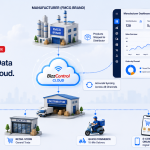
Cloud-based distribution management systems demonstrated clear advantages during this transition. Centralized pricing rules deployed instantly across entire networks. All users automatically accessed the current version without local installations. Regional configurations remained within the unified system rather than requiring separate code branches. Real-time updates eliminated distributor-side installation requirements. Immediate rollback capability existed if issues emerged during deployment.
The specific capabilities matter for tax transitions. Tax rate tables update centrally and apply universally across all transactions immediately. Product category mappings adjust systematically rather than through manual rework. Pricing formulas recalculate automatically across entire catalogs. Margin impact modeling can occur before implementation, allowing finance teams to preview effects. Audit trails of all changes maintain automatically, supporting compliance requirements.
Operational benefits during the transition period were substantial. Pricing consistency across entire distribution networks was achievable from day one. Time-to-market for rate reductions compressed from weeks to days or hours. Manual effort from finance and IT teams reduced dramatically. Error risk from systematic implementation was far lower than manual processes. Competitive advantage accrued to organizations that responded faster to market expectations.
Looking beyond the immediate transition, ongoing flexibility matters equally. Future tax adjustments—and there will be future adjustments—can be implemented with similar speed. Promotional pricing becomes more agile when changes deploy instantly. Regional pricing strategies gain flexibility when implementation doesn’t require custom development. Overall market responsiveness improves when the infrastructure supports rather than constrains adaptation.
Margin-Led Growth Strategy for H2 FY26
Post-transition market dynamics have shifted focus toward what analysts term “margin-led growth.” The volume opportunity exists—consumer spending has strengthened following tax reductions—but capturing that volume profitably requires operational discipline.
Cloud infrastructure supports margin protection through several mechanisms. Real-time visibility into pricing across all channels ensures that intended margins are actually realized. Automated compliance with tax regulations eliminates the costly errors that erode profitability. Systematic margin calculation accounting for all cost components prevents surprise compressions. Exception flagging when margins fall below defined thresholds enables proactive intervention. Performance monitoring across the distributor network identifies where margins are under pressure and why.
Integration with broader business systems amplifies these capabilities. ERP systems provide current cost data that feeds into margin calculations. Sales force automation platforms ensure field teams work with accurate pricing. Analytics platforms enable detailed margin analysis by product, region, and channel. Financial reporting systems maintain compliance while providing management insight.
This systematic approach enables proactive margin management rather than reactive correction after problems have already impacted results. Strategic decisions become data-informed rather than assumption-based. Questions about which products to promote, which regions need pricing adjustments, which distributors require support, and where competitive pressure demands response all become answerable with current data rather than delayed reports.
The foundation for sustainable growth as markets recover rests on this operational discipline. Volume growth without margin protection simply scales unprofitability. Cloud infrastructure provides the visibility and control necessary to capture both volume and margin as H2 FY26 unfolds.
BizzControl’s Cloud-Based Approach
BizzControl addresses these requirements through architecture designed specifically for complex distribution environments. The cloud-native foundation eliminates infrastructure investment barriers to deployment and scaling. Centralized pricing and tax configuration ensures consistency while allowing necessary regional variations.
Real-time deployment across distributor networks means changes made centrally become effective immediately everywhere. Multi-region support with regional customization handles the diversity of India’s markets without forking codebases. Integration frameworks with ERP and analytics systems create the unified data environment necessary for margin intelligence.
Scalable architecture maintains performance as distribution networks grow and transaction volumes increase. Automated compliance with GST and regulatory requirements removes this burden from operational teams. Unified visibility for management provides the oversight necessary for strategic control.
The platform specifically addresses manufacturer needs during structural transitions like GST 2.0. When tax rates change, pricing updates across the network happen systematically. When regions have different requirements, configurations handle variations without custom code. When volumes surge during recovery periods, performance remains consistent.
Organizations using BizzControl managed the GST 2.0 transition with speed and consistency that manual systems could not match. Pricing updates deployed in days rather than weeks. Margin protection remained intact during the adjustment period. Competitive positioning strengthened through faster response to market expectations.
Infrastructure as Strategic Asset
The GST 2.0 transition tested operational infrastructure across the manufacturing and distribution sector. Organizations with modern, cloud-based systems navigated the change systematically. Those relying on manual processes or legacy on-premise software experienced delays, inconsistencies, and margin pressure.
This pattern will repeat. India’s regulatory and market environment continues evolving. Future transitions—whether tax changes, compliance requirements, or market disruptions—will again separate organizations by infrastructure capability. The question isn’t whether distribution management systems matter. Events like GST 2.0 prove they matter decisively.
The question is whether infrastructure investment happens proactively or reactively. Organizations that modernize before the next major transition will handle it smoothly. Those that wait until crisis forces change will struggle through transitions that competitors navigate easily.
Cloud-based distribution management systems provide the agility, consistency, and margin protection that complex markets demand. Speed of response increasingly determines competitive outcomes. Infrastructure that enables speed becomes strategic differentiator rather than operational detail.
BizzControl represents this modern infrastructure approach. When the next significant market or regulatory change arrives—and it will arrive—organizations running on cloud-based systems will respond with the speed and precision that protects both market position and profitability. Those still managing distribution through manual processes or legacy systems will face the same struggles witnessed during GST 2.0, but with even higher stakes as markets evolve faster and competition intensifies.
The infrastructure decision made today shapes competitive capability tomorrow. GST 2.0 provided clear evidence of this reality. The lessons learned should inform strategic technology choices across the distribution sector.
Explore how BizzControl supports margin protection and rapid response at zylem.co.in
FAQs
Cloud-based distribution management runs on internet-accessible servers managed by the provider, not on-premise hardware. Unlike traditional systems requiring local installation and maintenance, cloud DMS provides instant access from anywhere, automatic updates without downtime, automatic scaling as business grows, and centralized data accessible across all locations. During major changes like GST 2.0, cloud systems enable instant pricing updates across thousands of distributors, while traditional systems require weeks of manual updates at each location.